7+1 Tips for Collecting Emails Effectively in Your Online Store
A simple “Sign up for our newsletter” call to action no longer cuts it. Discover 8 proven strategies for collecting high-quality contacts in your online store, setting up double opt-in properly and building a profitable database that keeps bringing in repeat orders.
In this article
Building your own email database is, for online stores, the most reliable way to grow retention and revenue over the long term. Unlike paid ads on social media or search engines, collecting emails and building a database gives you a marketing asset you actually own – one that doesn’t depend on algorithm changes or rising cost per click. But for your database to deliver the results you expect, you need to grow it effectively, ethically and with clear value for the customer.
Before You Start: Sort Out Consent and Double Opt-In
With two-step verification (double opt-in), the customer enters their email and then confirms the sign-up by clicking a link in a confirmation message – only then can we treat the contact as actively subscribed.
This step helps you:
- verify that the email really belongs to the person who entered it,
- reduce typos and fake addresses,
- protect your database from bots and automated spam,
- protect the reputation of your sending domain,
- maintain better deliverability over the long term.
What’s the Risk Without Double Opt-In?
Skipping this step in the hope of more contacts is tempting, but risky. Without verification, your database gets flooded with non-existent or low-quality addresses, and spam complaints pile up. The usual result is a damaged domain and sender reputation, poorer deliverability even for legitimate contacts and, in extreme cases, restrictions from your email platform or from providers such as Seznam (the Czech email and search provider) and Google.
Pro Tip: Don’t Handle Consent in Just One Form
Check every place where customers can sign up for your marketing communications:
- newsletter form,
- shopping cart,
- customer account registration,
- mobile app,
- booking system,
- loyalty program.
For each of them, set up the consent logic and the hand-off of the contact to your email marketing tool correctly.
More contacts doesn’t automatically mean a better database. A smaller database of active, verified contacts is often worth more than a huge list of addresses that never respond or never wanted to hear from you in the first place.
How to Motivate Sign-Ups: 8 Proven Strategies
If you ask visitors for their email, they expect something valuable in return. Whether you meet that expectation decides whether they keep you in their inbox and keep opening your emails. The classic “Sign up for our newsletter” is hardly persuasive these days and, without exclusive content, it’s one of the lowest-converting ways to collect contacts.
#1 Something Is Always Better Than Nothing

A plain newsletter sign-up isn’t the most attractive offer out there. But if you have nothing else to offer, it’s still better to collect contacts this way than not at all. It makes sense for brands with strong content, a high frequency of new arrivals, or established brands whose content people actively seek out.
Pro Tip: If you’re not offering a specific lead magnet or an instant benefit, it’s all the more important not to underestimate the welcome series that follows.
Recommended for: brands with strong expert or community content, and online stores built on new arrivals and trends (fashion, food, toys).
#2 Turn Your Newsletter into a Club
A newsletter doesn’t have to be just another distribution channel repeating the same offers as your website or ads. It can work as a VIP club. Subscribers get special offers, limited-edition products or early access to new arrivals. That way, you teach customers that reading your newsletter pays off.
What to keep in mind: Keep your promises. If you market your newsletter as a VIP club, you have to actually treat members like VIP customers. If the same discounts are available to everyone, the exclusivity stops working.
Recommended for: brands that don’t build their communication solely on across-the-board discounts, and online stores focused on repeat-purchase products (cosmetics, supplements, groceries).
#3 A Proven Classic: A First-Purchase Discount
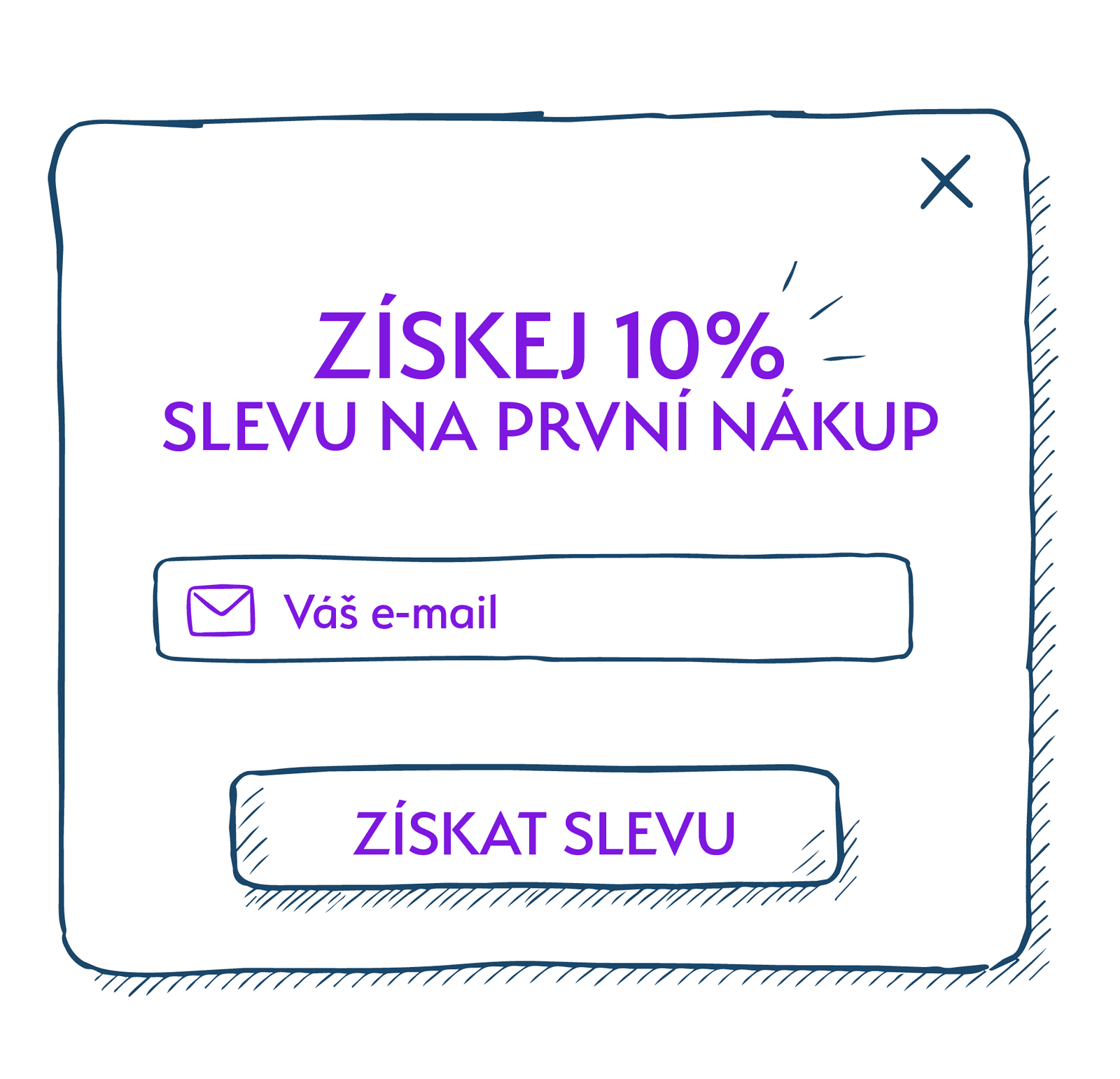
A discount is one of the most common and most effective incentives to sign up. But watch out for the technical logic behind it. Websites often promise “Get 10% off your first purchase”, while the mechanism is actually set up as “Get 10% for signing up to the newsletter” – and that’s not the same thing.
If you want to offer a first-purchase discount, adapt your list management, segmentation and automation accordingly. Otherwise you risk annoying customers who haven’t bought from you yet but are already subscribed to your newsletter.
Pro Tip: If the offer should also work for users who sign up first and buy later, use a separate contact list with the corresponding automation logic.
Recommended for: small or lesser-known online stores where customers need a stronger initial nudge to place an order.
#4 Loyalty Points Instead of a Percentage Discount
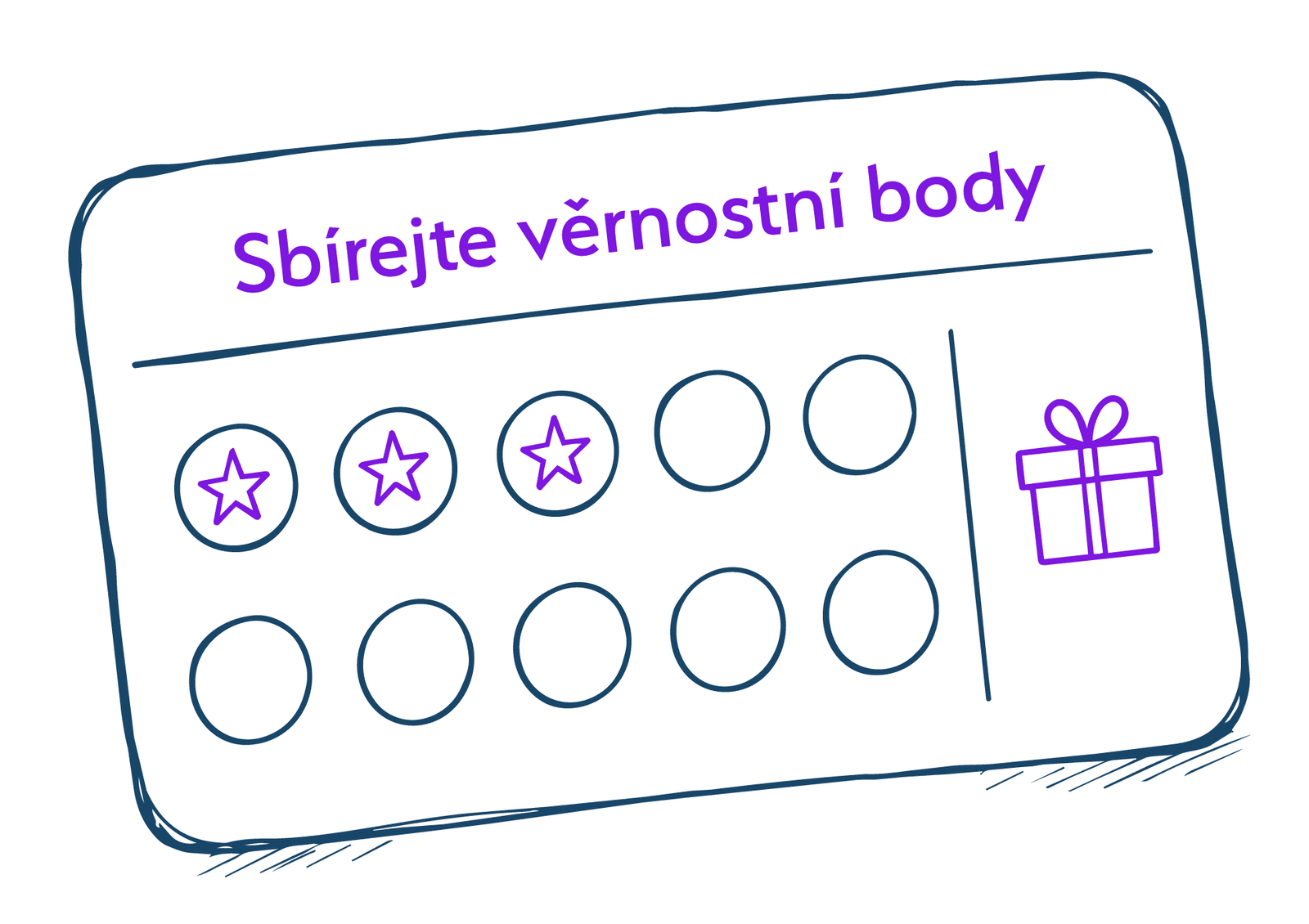
If you run your own loyalty program, you can use a pop-up or a banner to promote sign-up and its benefits. Offer bonus points for subscribing to the newsletter, or a coupon that multiplies the points earned on the first purchase. You get a strong incentive without resorting to blanket discounts.
Pro Tip: Check the technical capabilities of your online store and loyalty system first.
Recommended for: online stores with a working loyalty program that don’t want to motivate customers with discounts alone.
#5 Does Anyone Still Want E-books?
In exchange for an email, offer an e-book, a PDF checklist, a comparison infographic, a calculator or other expert material. This works for more complex or more expensive product ranges, where customers need more information before buying. But the content behind the form has to offer real value and must not be easy to find on Google.
Pro Tip: Don’t send the PDF as an attachment – link to a non-public page on your website instead. The contact clicks back to your site, where you can measure their activity better and use it in further automations.
Recommended for: online stores with more expensive or more complex product ranges.
#6 A Mini Series or an Email Course
Instead of a single e-book, try a multi-step email series, guide or challenge (e.g. “7 days to a better X”). The advantage over a PDF is huge: from day one, you teach people to open your emails and build a habit of regular communication.
Recommended for: brands with strong expert content, educational products and segments where customers ask a lot of questions before buying.
#7 Gamification: Contests and Regular Prize Draws
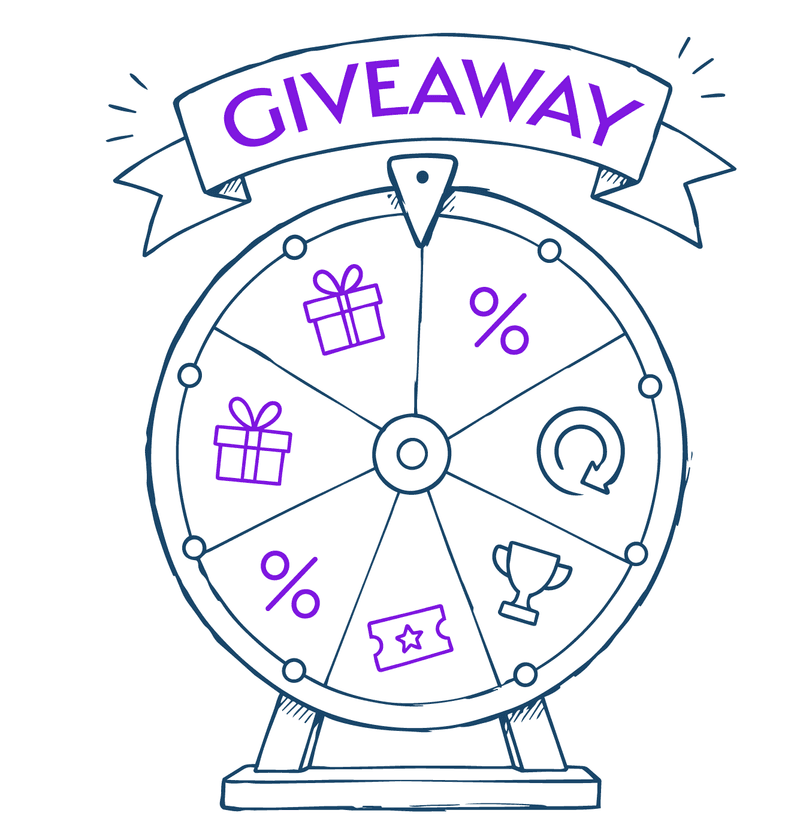
Contests and prize draws bring in new contacts and reactivate existing ones. In tools such as Ecomail, you can create a field for entering the contest and draw a winner from that segment every month or every year.
Pro Tip: Make it clear that an active newsletter subscription is a condition for entering the draw.
Recommended for: online stores that need to gain new contacts while also reactivating their existing database.
Extra Tip #8: Simple Custom AI Apps
Make contact collection interactive. You can build a simple custom app with the help of AI – for example, a coffee recommender based on taste, a perfume finder based on scent notes, or an outdoor packing list based on the route. These activities are more about brand building, so don’t neglect the conversion steps that follow.
Recommended for: online stores with a more complex product range, where customers need help choosing.
Don’t Let a New Contact Go Cold
The biggest mistake you can make in the whole process is to collect emails and then send nothing. Someone who has visited your website and voluntarily handed over their email is, right now, highly interested in your brand. If you don’t reach out for several weeks, that potential fades away. Before you start collecting, have a basic welcome series ready. The first email delivers the promised benefit, the next ones introduce your bestsellers, customer reviews or answers to frequently asked questions. The goal is to gradually lead the new contact to conversion.
Pro Tip: Your Welcome Series Must Respond to Purchases
The welcome sequence has to branch based on purchase behavior. If the customer makes a purchase during the welcome series, the automation removes them and moves them on to post-purchase care. If they don’t, they continue with the welcome series.
It also pays to distinguish customers who only bought after going through the welcome series from those who signed up only when placing their first order. Each of these groups needs a different approach in your follow-up communication.
Not sure where to start? Get in touch and we’ll build your email marketing from the ground up so that it makes sense and makes money.